

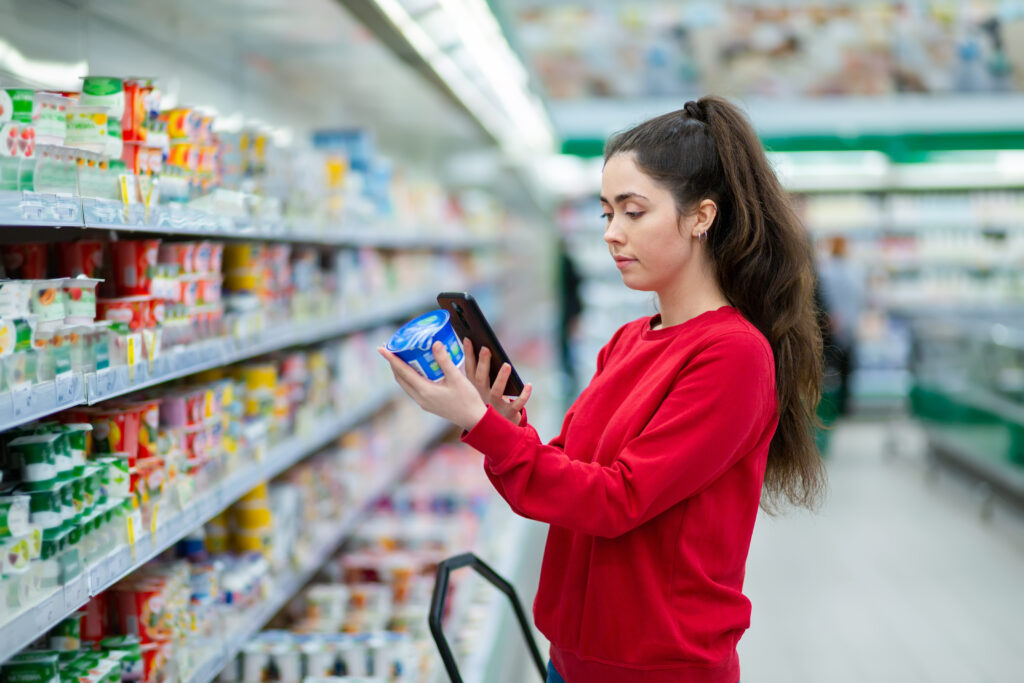

Consumers today want to know more about ingredients in the products that they eat, clean with and put on their skin. That trend is being met through QR codes and applications that provide more information about consumer packaged goods (CPG) than what can fit on the product label. Walk down any grocery aisle today and you’ll see it in action: shoppers holding up their phones, scanning barcodes and searching apps to learn about the ingredients that make up the products they buy.
What consumers may not be aware of, though, is that many of the shopping apps they trust to provide truthful, accurate data could be contributing to misinformation.
A Troubling Gap Between Trust and Accuracy
A growing number of popular third-party apps have positioned themselves as the arbiters of what’s “good” or “bad” in the food, beverage, personal care and household cleaning products we buy. They assign scores, flag ingredients and pass judgment on everything from breakfast cereal to shampoo. The problem here is twofold. First, the data that these apps use to make their judgements has a staggering rate of inaccuracy and, second, the methodology these apps use to come up with their interpretive judgements is sometimes not based on publicly available, recognized methodology. Transparency without accuracy can undermine the very consumer trust it is intended to promote. Many of these tools don’t source their information from the companies that make the products. Instead, they rely on scraped, crowd-sourced or estimated data that can be incomplete, outdated or simply wrong.
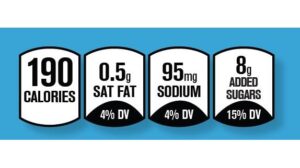
How wrong? In a recent review of one of the leading providers of this data, we found that nearly 39% of product attributes were inaccurate. Core nutritional values that consumers rely on every day — calories, sugar, sodium and more — didn’t match the actual label of the product on the shelf.
That’s not a rounding error. That’s nearly two out of every five data points a shopper might be trusting to help choose the products that work best for their lifestyle.
Why “Close Enough” Isn’t Good Enough
For many shoppers, a small inaccuracy might not matter much. But product data isn’t consumed in theory, it’s used by real people making real decisions to meet their individual needs.
Consider the parent scanning a snack to account for their child’s allergy, or the shopper with diabetes looking to ensure that a product aligns with their medical needs. For consumers with allergies, sensitivities and medical conditions, misinformation isn’t an inconvenience — it’s a genuine risk.
These errors are compounded when apps use erroneous product data to provide “scores” and make recommendations on what products might be “good” or “bad” for consumers. Not only are the methodologies opaque and not backed by science, but product recommendations also aren’t all-encompassing solutions, and any nutritional advice or product recommendations should be taken into consideration within the totality of one’s lifestyle and dietary needs.
There is a deeper problem here that goes beyond any single data point. Scoring and rating products are commonplace practices across the consumer marketplace. But reducing complex questions about diet, health and individual needs to a single grade or category can obscure important context, especially when the underlying product information is incomplete or inaccurate. Food and product decisions aren’t one-size-fits-all, and a verdict issued in isolation strips away the context that actually matters to a consumer when making product decisions. This practice is troubling on its own. It becomes far more perilous when the underlying product data is inaccurate.
Further, maligning products that are safe and abide by the stringent, science-backed federal safety standards established by the Food and Drug Administration (FDA) and the Food Safety and Inspection Service (FSIS) will only serve to increase consumer confusion, deplete trust and restrict choices.
Get Real Information Directly from the Source
The good news is, consumers don’t need to become data scientists to protect themselves against misleading information. They just need to know where to find trustworthy product data. For the most immediate and reliable information, check the product label. To get deeper insights, scan the SmartLabel® QR code on product packaging or search for a product on smartlabel.org. Led by the CPG industry, SmartLabel is a transparency initiative that provides factual product information directly from the manufacturer in a standardized and consistent format. SmartLabel data is available across all CPG categories, including food, beverage, household cleaning, personal care, pet care, dietary supplements and over-the-counter medications.
Instead of product scores and “good” or “bad” markers, SmartLabel shares facts — ingredient definitions, allergen content, country of origin and company and brand information. The tool also provides third-party certifications, social compliance and sustainability programs, usage instructions, advisories and safe handling instructions where applicable.
The Bottom Line
Accurate product information isn’t just a nice-to-have feature, it’s the foundation for transparency and trust. As more consumers turn to technology to learn about their favorite products, that technology must be held to a higher standard.
The next time you want to know more about a product, don’t settle for a guess — get the facts straight from the source.
Published on August 26, 2026