

Report
The State of Digital Disclosure and Smart Packaging for the CPG Industry
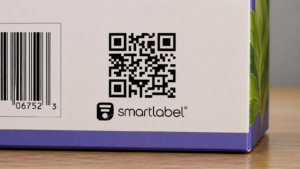
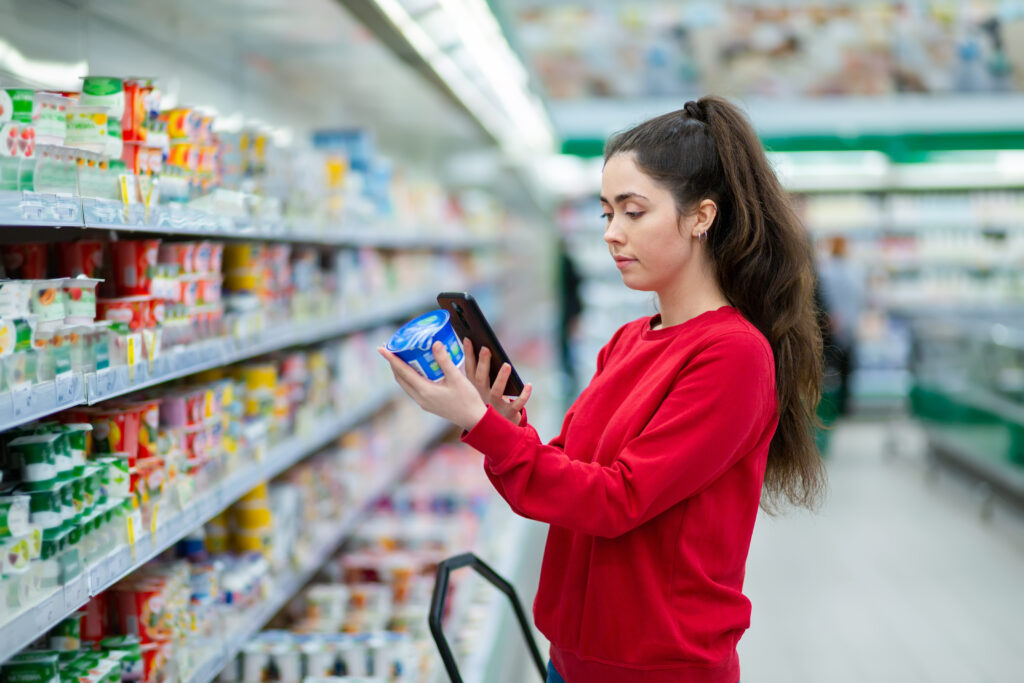
The consumer packaged goods (CPG) industry is navigating a profound shift in the way product information is stored, transmitted, regulated and consumed. Driven by the complexities of globalized supply chains, evolving environmental and health regulatory frameworks, the proliferation of smartphones with just-in-time information and an unprecedented consumer demand for more information and transparency, the physical product label has outgrown its traditional roles. Historically serving as the main informational interface between the manufacturer and the consumer, the spatial limitations of traditional packaging provide constraints on the volume of data that manufacturers are able to provide at point of sale. Digital tools like Quick Response (QR) codes are a solution that allow manufacturers to provide consumers with robust additional details that go beyond the label; these include granular nutritional profiling, allergen warnings, supply chain traceability, packaging sustainability, sourcing histories, and a brand’s corporate ethos.
In response, the CPG industry has rapidly accelerated the adoption of smart connected packaging, predominantly leveraging QR codes and two-dimensional (2D) barcodes to deliver comprehensive digital product information to the consumer. In fact, 2D barcodes have been so successful that GS 1, the organization that standardized the traditional linear barcode, introduced Sunrise 2027, a comprehensive industry-wide initiative to upgrade point-of-sale (POS) hardware and software systems to scan and process data-rich 2D barcodes seamlessly alongside traditional linear barcodes. Further, Congress supported the use of smart packaging The physical product label has outgrown its traditional roles. Digital Disclosure & Smart Packaging | 2026 2 consumerbrandsassociation.org with the passage of the National Bioengineered Food Disclosure Standard in 2016. Industry supported and has welcomed the use of the QR code labels with hundreds of millions of units of consumer packaged goods, representing over a thousand brands and a hundred thousand products utilizing this technology [1]. We recognize that the U.S. Department of Agriculture (USDA) is now faced with a court order requiring it to revisit the regulation on digital disclosure and text message options. The basis of this conclusion rested on the fact that USDA was required by the law to show that the BE disclosures were accessible in a study [2]. However, the data that informed the study’s finding of barriers to accessibility was based on a 2017 study which examined data reviewed in 2016 and includes cited references that date back as far as 2010 [2]. Today, the hurdles identified by the study the near-universal adoption of smartphones and the pervasive expansion of high-speed broadband networks have increasingly rendered such judicial concerns obsolete [3]. As such, we are providing data to support that the digital disclosure option is not inaccessible in 2026, thus potentially providing an expeditious pathway for a re-proposal of the rule by USDA.
This whitepaper provides a comprehensive, data-driven analysis that supports digital disclosure as the ultimate democratizing force in the modern omnichannel retail environment. By synthesizing the latest 2025 and 2026 data concerning broadband infrastructure expansion, mobile device adoption, consumer behavioral trends, and regulatory compliance, this it demonstrates how QR codes equipped with standardized routing protocols which actively resolve the limitations inherent in static physical labels. What’s it showcases how QR codes bridge the critical gap between regulatory compliance and consumer education, establishing a newly interactive paradigm of corporate transparency.
Published on May 21, 2026